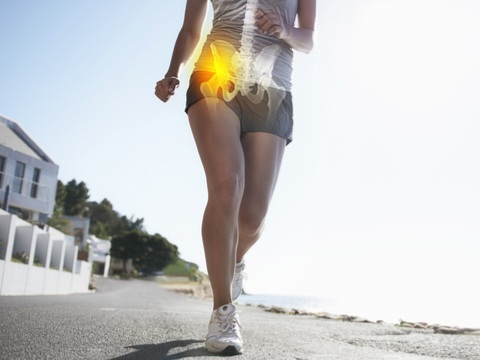
At Tranquil Birth and Bodywork, we know that the body’s interconnectedness is a key factor in addressing discomfort and pain. One often-overlooked muscle that plays a huge role in both hip and lower back pain is the psoas muscle. Whether you’re a runner, someone who works out regularly, or even if you sit at a desk all day, the psoas could be the culprit causing you discomfort. In this post, I’ll explain how this muscle impacts our health and offer exercises that can help release tightness, providing relief.
What is the Psoas Muscle and Where is it Located?
The psoas (pronounced “so-az”) is a deep muscle located in the lower back and pelvis. It starts at the vertebrae of your lower spine (the lumbar spine) and runs through the pelvis to attach to the inner thigh bone (the femur). The psoas is part of a group of muscles known as the “hip flexors” and plays a vital role in movements like walking, running, and bending. It connects the spine to the legs, so it’s essential for stabilizing the pelvis and helping to maintain proper posture.
The Impact of a Tight Psoas on Lower Back Pain
When the psoas is tight, it can pull on the lower spine, causing misalignment and discomfort. This can lead to lower back pain, which is a common issue for many people. For pregnant individuals, this muscle can become particularly problematic as it supports the weight of a growing baby. The additional strain placed on the psoas during pregnancy can result in more pronounced lower back pain, making it harder to maintain good posture or find comfortable positions.
How Does the Psoas Affect Runners, People Who Workout, and Desk Sitters?
Runners: When running, the psoas is engaged with every stride, especially when lifting the knees. If it’s tight or imbalanced, it can cause discomfort not only in the hips but also along the lower back and legs.
People Who Workout: Regular exercise, especially activities involving repetitive bending or hip movement (like squats or lunges), can exacerbate psoas tightness. Additionally, certain exercises may inadvertently strengthen other muscles, leaving the psoas underdeveloped or overstretched.
Desk Sitters: Sitting for prolonged periods, especially without adequate movement, can lead to shortening and tightening of the psoas. Over time, this can lead to chronic hip pain, discomfort when standing, or stiffness in the lower back.
Exercises to Help Release Tightness in the Psoas
Incorporating stretches and strengthening exercises for the psoas into your routine can help alleviate tension and reduce pain. Here are a few I recommend for anyone experiencing tightness, especially if you are pregnant, a runner, or spend long hours sitting at a desk:
1. Psoas Stretch (Lunge Stretch)
Step one foot forward into a lunge position, keeping the back leg straight and the hips square.
Gently press your hips forward while keeping your upper body tall.
Hold for 30 seconds to one minute, and then switch sides.
2. Bridge Pose
Lie on your back with your knees bent and feet flat on the floor, hip-width apart.
Press through your feet to lift your hips towards the sky, engaging your core and glutes.
Hold for 10-20 seconds, then lower and repeat.
3. Kneeling Hip Flexor Stretch
Start in a kneeling position with one knee on the ground and the other foot flat in front of you.
Gently push your hips forward to feel a stretch in the hip flexor of the leg on the ground.
Hold for 30 seconds, switch legs, and repeat.
4. Cat-Cow Stretch (for Spine Mobility)
Begin on all fours with wrists under shoulders and knees under hips.
Inhale, arch your back (cow pose), and then exhale, round your back (cat pose).
Continue flowing between these two movements for 30 seconds to a minute.
5. Leg Lowering (for Core Strength)
Lie on your back with your knees bent and feet flat on the floor.
Slowly lower one leg towards the floor, keeping your lower back pressed into the ground.
Bring the leg back up to the starting position and alternate sides.
A Holistic Approach to Psoas Health
At Tranquil Birth and Bodywork, I always take a holistic approach to well-being. Along with these exercises, regular bodywork treatments like massage and cupping therapy can also help release tightness in the psoas, reduce muscle tension, and improve overall flexibility. The integration of sound therapy and energetic work can promote deep relaxation and support the release of stored tension in the muscles, including the psoas.
If you’re dealing with chronic hip or lower back pain and believe your psoas may be contributing, I encourage you to try these exercises and consider adding bodywork to your routine. Whether you’re experiencing pregnancy-related discomfort, recovering from a workout, or trying to manage the effects of a sedentary lifestyle, addressing tightness in the psoas can bring significant relief.
If you’d like personalized support, I offer tailored massage therapy, sound bath therapy, and energetic work to help release tightness and bring more balance to your body. Feel free to reach out, and together we can find the right approach for your needs.
Disclaimer: This information is for educational purposes only and is not intended as medical advice. Always consult with a qualified healthcare professional before making any changes to your health or wellness routine.
 Tranquil Birth and Bodywork Blog
Leave a comment